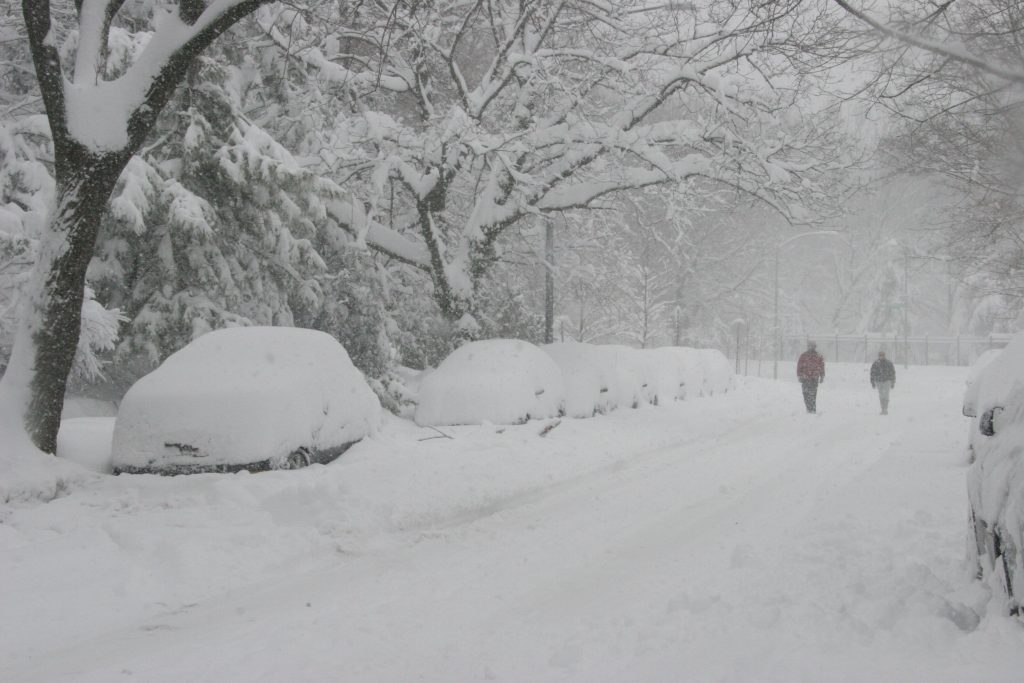
This past weekend, the one-in-ten-year storm energy professionals prepare for finally arrived. A massive system swept across most of the United States ushering in ice storms in the South and record-breaking snowfall in the North. Hundreds of thousands of homes were left without power, and while the lucky ones with power are digging out, at least they’re warm.
This is what our grid, and all the technologies we’ve integrated into it, was designed for. Not the moderate storm day, but the once-in-a-decade hit. My family lives in a rural area served by a rural electric co-op, and our power never even blinked. But many weren’t so fortunate.
As of this writing, 822,000 people lost power. Southern states bore the harshest impacts, where ice storms combined with low insulation and now no heat. The damage after the thaw will be significant.
Why Microgrids and Behind-the-Meter Solutions Matter
This event underscores the need to expand microgrids and behind-the-meter solutions. This isn’t about replacing the grid, it’s about buying time when the grid is down. How do we ensure safety and comfort during outages? A four-hour battery to maintain heat or a natural gas generator can make a life-saving difference. A microgrid can keep a city block powered, giving line crews time to restore other areas.
None of this technology is new. What’s missing is the support to install and interconnect these solutions, not just financing, which already has options, but regulatory and operational allowances to make them part of the grid strategy.
A Call to Action
Come March 1, when snowstorms give way to tornado season, will we see policy shifts to embrace behind-the-meter resources as part of grid resilience? This storm should be a wake-up call. Let’s hope states take up the challenge.